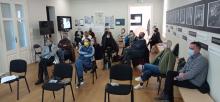
The proceeding before the ICTY led to the creation of records about the 1990s conflicts in the former Yugoslavia and they are useful sources of facts for historians in their writing of history, said Mire Mladenovski, history teacher from North Macedonia, in his keynote speech at the webinar titled How to implement the archives of the ICTY and other courts in history teaching.
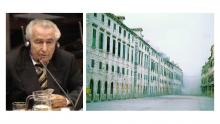
Testifying at the trial of Slobodan Milosevic before the International Criminal Tribunal for the Former Yugoslavia (ICTY) in 2003, the last SFRY prime minister Ante Marković recalled the conversation he initiated about the shelling of Dubrovnik, on the sidelines of the Hague Peace Conference in November 1991.
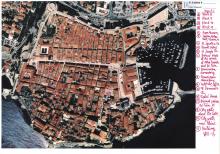
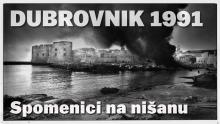
On the fourth day of the online campaign Dubrovnik 1991 - Targeting Monuments, SENSE Center for Transitional Justice is presenting an online exhibition, titled The Day After, and two videos about the judgments delivered by the International Criminal Tribunal for the Former Yugoslavia (ICTY) in the cases against the JNA commanders charged for the attacks on Dubrovnik.
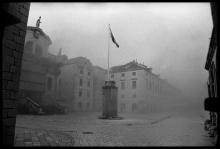
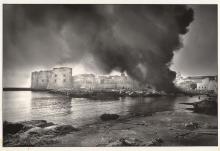
The shelling of the Old City of Dubrovnik on 6th December 1991 was qualified in International Criminal Tribunal for the Former Yugoslavia (ICTY) indictments and judgments as the “destruction or deliberate damaging of institutions dedicated to religion, charity and education, arts and science, historical monuments, and works of art and science.” https://youtu.be/8xYrqC82lY8